This Engineer's Airport Discovery Could Change How We All Travel
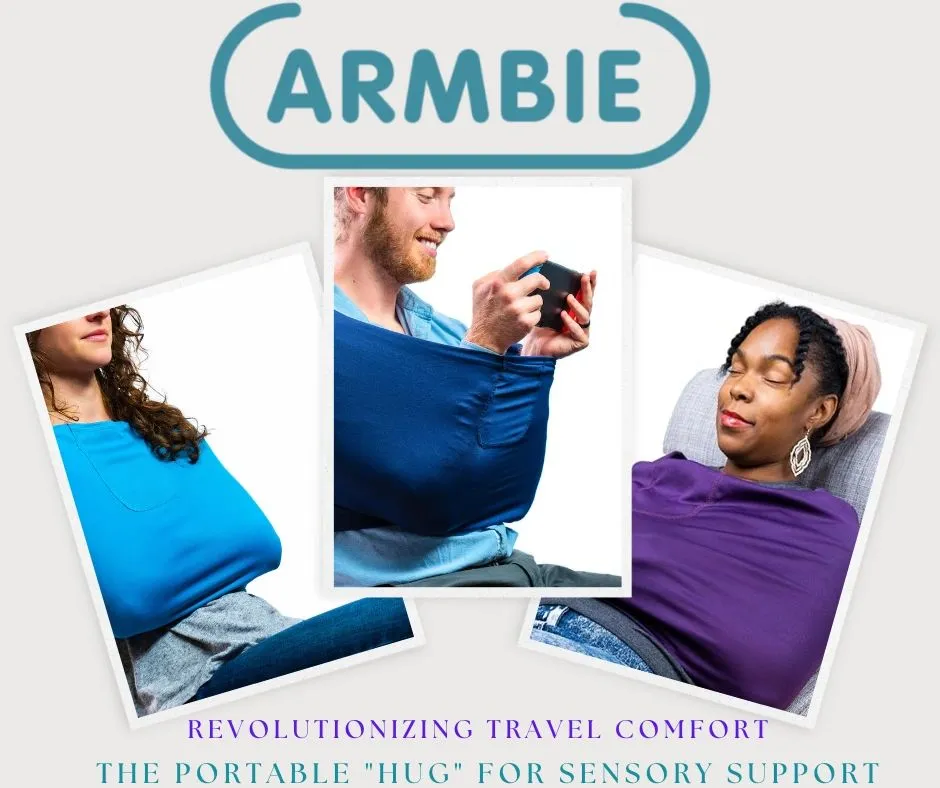
An uncomfortable middle seat sparked an innovation that's bridging the gap between travel comfort and therapeutic support.
TULSA, Okla., July 23, 2025 - Chris Osse never imagined that eight miserable hours on an international flight would launch him into the spotlight on Amazon Prime Video's "Buy It Now" game show. But sometimes the most frustrating experiences lead to the most ingenious solutions.
During a last-minute flight from Chicago to Frankfurt, the Tulsa-based engineer found himself squeezed into a middle seat between two larger passengers. With no armrest space and nowhere to comfortably position his arms, Osse spent the entire eight-hour journey awkwardly holding his limbs, constantly shifting positions in a futile search for relief. The aftermath was three days of persistent shoulder pain that refused to subside.
"I needed something simple, compact, easy to use, and, most importantly, comfortable," Osse recalled. "After dozens of prototypes, I created ARMBIE—a support that's as effective as it is convenient."
What emerged from that uncomfortable flight was the ARMBIE, a deceptively simple yet revolutionary dual-arm support system that has captured national attention for solving not just the universal problem of cramped travel spaces, but also addressing the growing need for accessible sensory wellness tools.
Beyond the Middle Seat Syndrome
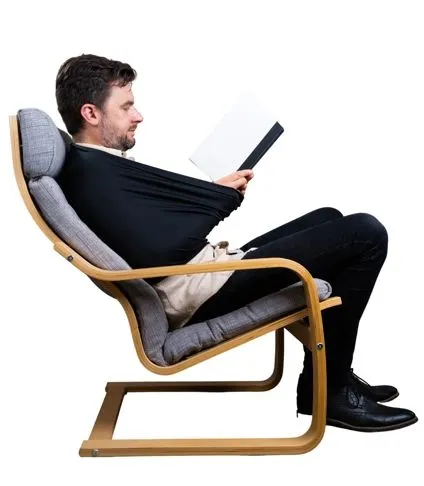
The ARMBIE looks almost too simple to be effective: a soft, stretchy fabric tube that wraps around the torso, creating a supportive cradle for both arms. Made from a satin-like polyester-nylon blend with elastane, the device weighs just 5.47 ounces and packs down into its own built-in pocket, making it as portable as it is practical.
But this simplicity belies its sophisticated design philosophy. Unlike traditional travel pillows that focus solely on neck support, the ARMBIE addresses what might be called "middle seat syndrome"—the common predicament faced by millions of travelers who find themselves without dedicated armrest space. By positioning arms in an ergonomic forward position, the device prevents the strain and numbness that comes from awkward arm placement during extended periods of sitting.
"I was in a car accident back in 2015 and the affects of the whiplash have been with me ever since. I travel for work and often find myself in the middle seat on 4+ hour flights. The ARMBIE is the only thing I've found that let's me sleep pain-free!" shared Steve L., one of many customers who have discovered the product's therapeutic benefits extend far beyond travel comfort.
The device works across multiple transportation methods,planes, trains, buses, and cars—and even proves useful in waiting areas, at home while reading or using devices, and during gaming sessions. With five size options accommodating chest widths from 32 to 54 inches and priced affordably between $24.95 and $29.95, the ARMBIE makes comfort accessible across diverse body types and budgets.
The Science of the Portable Hug
While Osse initially designed the ARMBIE to solve a practical travel problem, users quickly discovered something unexpected: the device provided significant sensory benefits that mirrored those of specialized therapeutic tools, such as weighted blankets and compression vests.
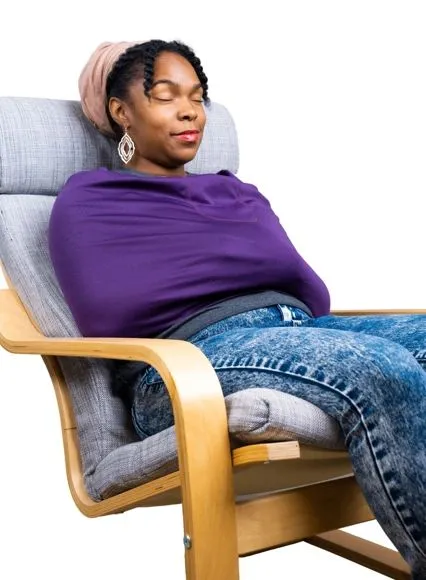
This discovery positioned the ARMBIE at the intersection of two rapidly growing markets: travel accessories and sensory wellness products. The key lies in what scientists refer to as deep pressure stimulation (DPS) or deep touch pressure therapy.
Deep pressure stimulation involves "methods that can be used to simulate the physical and emotional sensations you'd get from a firm, loving bear hug," according to research on the therapeutic benefits of pressure therapy. When applied to the body, this gentle, distributed pressure activates deep touch pressure receptors, triggering the parasympathetic nervous system, the body's "rest and digest" mode that counters the stress response.
The neurochemical effects are profound. Deep pressure touch stimulation "helps the body switch from running its sympathetic nervous system to running its parasympathetic nervous system," moving from "fight or flight" mode to "rest and digest" mode. This transition increases the production of serotonin and dopamine—neurotransmitters associated with calm and well-being—while reducing cortisol levels and promoting the release of oxytocin, often called the "bonding hormone."
For individuals with sensory processing challenges, autism spectrum disorders, ADHD, or anxiety, these effects can be transformative. Research on weighted blankets, which provide similar deep pressure therapy, found that "63% reported lower anxiety after use, and 78% preferred the weighted blanket as a calming modality."
The ARMBIE delivers these same therapeutic benefits in a portable, discreet format that doesn't draw attention like traditional sensory tools might in public settings. Unlike weighted blankets that can be impractical for travel or public use, the Armbie provides continuous sensory input while maintaining the appearance of a normal clothing accessory.
A Market Crossover Success Story
The recognition of ARMBIE's dual-purpose functionality has led to remarkable success across multiple market segments. In November 2024, Osse's invention won on Amazon Prime Video's "Buy It Now" game show, earning a coveted spot on the Amazon "Buy It Now" store and significantly expanding its market reach.
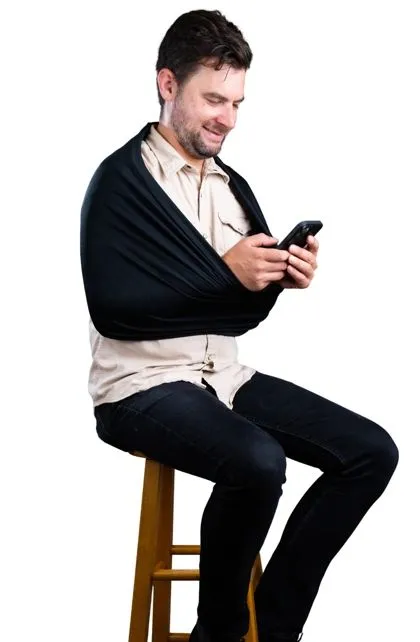
This platform has introduced the product to audiences who might never have considered a specialized sensory tool but are drawn to its practical travel benefits—and vice versa. Parents of children with autism or ADHD are discovering that the ARMBIE provides therapeutic benefits comparable to much more expensive specialized products, while frequent travelers are finding unexpected anxiety relief and improved sleep quality.
-
The crossover appeal extends to several distinct user groups:
-
Business travelers seeking comfort in cramped spaces,
-
Individuals with chronic pain conditions
-
Digital workers experiencing arm fatigue
-
Gamers requiring ergonomic support
-
Families seeking portable sensory solutions for children with special needs.
Occupational therapists have begun recommending the ARMBIE as an accessible alternative to traditional sensory tools. Unlike compression vests, which can cost $100-300, or weighted blankets, which retail for $80-200, the Armbie's sub-$30 price point makes therapeutic sensory input available to a much broader population.
The Growing Sensory Wellness Movement
The ARMBIE's success reflects broader societal trends toward recognizing and addressing sensory processing needs. Once considered primarily relevant for individuals with autism or ADHD, sensory wellness is increasingly understood as beneficial for the general population dealing with modern stressors like overstimulation, anxiety, and digital fatigue.
Studies indicate that "deep pressure touch, offered through items like weighted blankets, lap blankets, and other resources, can effectively alleviate anxiety in individuals, both children and adults, with sensory processing disorders." But the benefits extend beyond clinical populations to anyone seeking natural stress management techniques.
The COVID-19 pandemic accelerated interest in at-home wellness solutions, driving growth in the weighted blanket market that is projected to reach $1.2 billion by 2028. However, traditional sensory products often lack portability and versatility, creating an opportunity for innovations like the ARMBIE that provide therapeutic benefits in multiple settings.
This trend aligns with the growing preference for non-pharmaceutical interventions for anxiety and stress management. As mental health awareness increases, consumers are seeking accessible tools that can provide relief without medication side effects or the need for professional supervision.
Beyond the Prototype: A Strategic Vision
Osse's journey from frustrated passenger to successful inventor reflects the power of user-driven innovation. His engineering background allowed him to approach the problem systematically, spending two years refining prototypes to achieve the optimal balance of support, portability, and comfort.
The product's thoughtful design extends to practical details: the built-in pocket serves triple duty as storage space, carrying pouch, and size indicator. The machine-washable fabric requires no special care, and the design avoids buckles, zippers, or complex components that might trigger security concerns during travel.
Looking ahead, the company has ambitious growth plans backed by a comprehensive public relations strategy targeting travel, wellness, and sensory support markets. The approach recognizes that different audiences discover the ARMBIE for various reasons—some seeking travel comfort, others therapeutic support—but often find value in both applications.
The timing appears optimal. As travel rebounds to pre-pandemic levels, comfort-conscious consumers are investing in products that enhance their journey experience. Simultaneously, increasing awareness of sensory processing needs and the proven benefits of deep pressure therapy are driving demand for accessible wellness tools.
A Model for Inclusive Innovation
The ARMBIE's success story offers insights into how inclusive design can create products that serve both mainstream and specialized markets. By solving a universal problem—arm discomfort in cramped spaces—while simultaneously addressing the therapeutic needs of individuals with sensory processing challenges, the product demonstrates how thoughtful innovation can bridge market segments typically considered separate.
This approach has practical business advantages, creating multiple revenue streams and marketing opportunities while building a diverse customer base that provides stability against market fluctuations. It also advances social equity by making therapeutic benefits accessible to populations who might not otherwise afford specialized sensory products.
The product's discretion factor is particularly significant for individuals with invisible disabilities who benefit from sensory support but prefer not to use obvious medical devices in public settings. The ARMBIE allows users to receive therapeutic input while maintaining privacy and dignity.
The Future of Functional Comfort
As the ARMBIE continues to gain recognition, it represents a new category of products that challenge traditional boundaries between travel accessories, wellness tools, and therapeutic devices. The success suggests growing consumer demand for multifunctional products that address multiple needs simultaneously rather than requiring separate purchases for different applications.
The implications extend beyond individual products to broader design philosophy. In an era of increasing awareness about diverse needs and the importance of accessible design, innovations like the ARMBIE demonstrate how solutions can be both commercially successful and socially beneficial.
For Chris Osse, the journey from that uncomfortable flight to national television represents more than business success—it's validation of the problem-solving mindset that turns frustration into innovation. "Being part of Buy It Now has been an incredible experience," Osse shared. "This win means that ARMBIE will be available to travelers and comfort-seekers everywhere, and I couldn't be more thrilled."
As air travel continues to challenge passengers with shrinking seat space and growing crowds, and as society increasingly recognizes the importance of sensory wellness for mental health, the ARMBIE offers a simple yet profound solution: sometimes the most effective innovations are those that provide comfort wherever you need it most, whether that's 35,000 feet above the ground or simply sitting at home reading a book.
In a world that often segregates solutions for different populations, the ARMBIE proves that the best innovations are those that work for everyone, because ultimately, we all need a little more comfort in our daily journeys.