Sojuholics and the Soju Boom: How Korea's Spirit Won Over America
While American spirits sales slide, Korea's national drink is pouring the other way. Here is why flavored soju became the glass everyone wants to be seen holding, and how an Anaheim brand called Sojuholics is betting on peach, lychee, and yogurt.
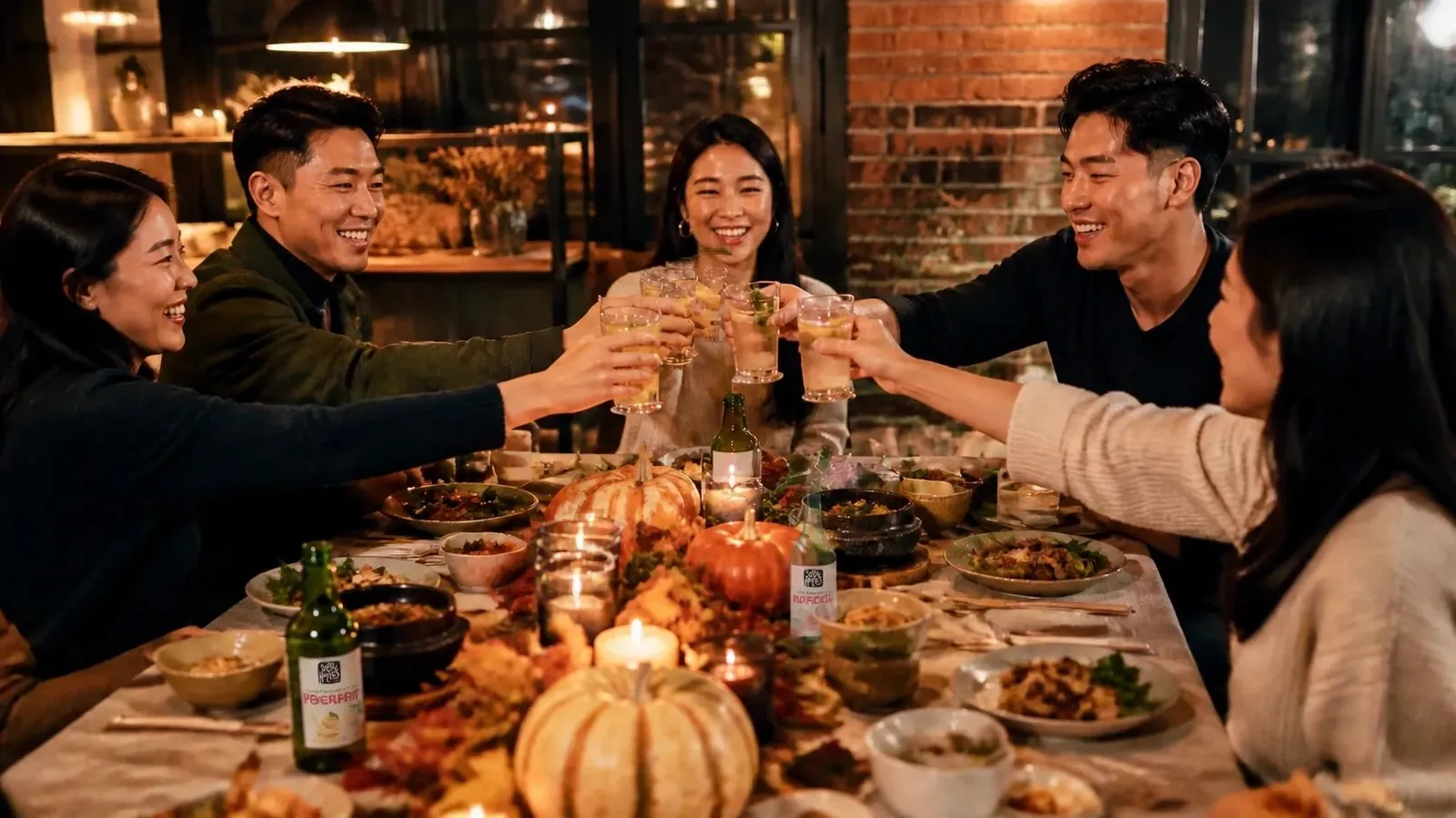
Picture a Korean barbecue table on a Friday night. A squat green bottle lands next to the grill, and before anyone pours, it gets a hard swirl until a tiny tornado spins inside the neck. The cap comes off. Someone fills every glass but their own. The phones come out.
That little ceremony is why soju has become one of the most closely watched categories in American drinking. And the version doing most of the heavy lifting is not the clear, bracing spirit Korean grandfathers know. It is peach. It is green grape. It is, improbably, yogurt.
The numbers going the other way
American spirits are in a slump. Drinks research firm IWSR projects total US spirits volumes will slip 2% between 2024 and 2029. Over the same stretch, it forecasts soju volumes will grow at a compound annual rate of 16%. IWSR's US consulting director, Koryn Ternes, compares the curve to tequila and canned cocktails in their breakout years.
Perspective matters here. Soju was still under 1% of US spirits volume in 2024, per IWSR. This is a small category moving fast, not a giant. But the trade data out of Seoul backs up the momentum.
Korea Customs Service figures reported by The Herald Business show soju shipments to the US climbed from 7,165 tons in 2021 to 9,201 tons in 2025, the biggest US volume since record-keeping began in 2000. Total soju exports grew about 9% in that window. The American share grew 28%.
Korean producers are leaning in partly because the home market is cooling. Domestic soju shipments in Korea fell for three straight years, to 793,000 kiloliters in 2025, according to National Tax Service data cited in the same report. America has become the growth story.
The industry's heavyweights have noticed. A senior executive at one of America's largest wine and spirits companies said in early 2024 that the US soju category had doubled over the previous five years, as Global Drinks Intel reported. This year, at least one major American spirits house launched a soju line of its own.
Flavor is the front door
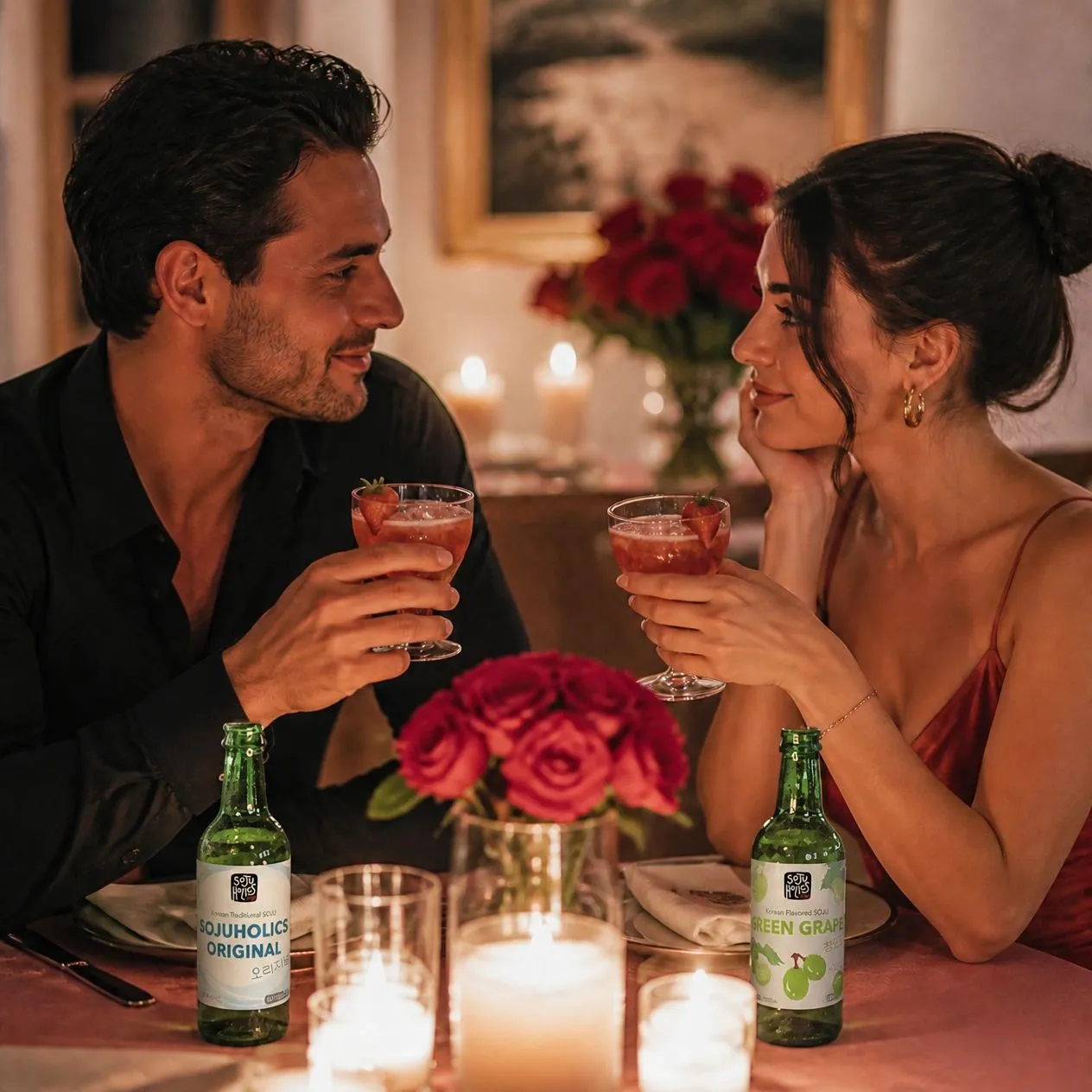
Here is the twist: most Americans are not meeting soju the way Koreans drink it. IWSR found that flavored soju now makes up more than half of US soju volume, up sharply since 2019, and Ternes says flavor has become the main way new drinkers enter the category. Peach, strawberry and grape lead the pack.
It makes sense. Plenty of first-timers still confuse soju with sake or shochu, and the category has no margarita moment, no single signature drink that tells a newcomer what to order. A fruit name on the label solves that in a second. You know what lychee tastes like. You know whether you want one.
The fruit wave is a Korean export story, too. Fruit-flavored soju exports hit a record $96 million in 2024, the same year total soju exports passed $200 million for the first time, per Korea Customs Service figures shared by Korea.net. Fruit soju shipments to the US from Korea's largest producer alone grew about 25% a year from 2020 to 2025.
The K-wave pours the first round
Nobody in the business pretends this is happening in a vacuum. IWSR ties soju's US rise directly to hallyu, the Korean cultural wave, noting that big moments like Squid Gameand K-pop Demon Hunters send Google searches for soju spiking. And California, home to the country's largest Korean American population, has designated September 20 as Soju Day.
Then there is the food. Estimates put the number of Korean restaurants in the US as high as 7,000, according to Global Drinks Intel, and soju sits at the center of that table. Fall for Korean barbecue, and sooner or later you wonder what everyone is drinking with it.
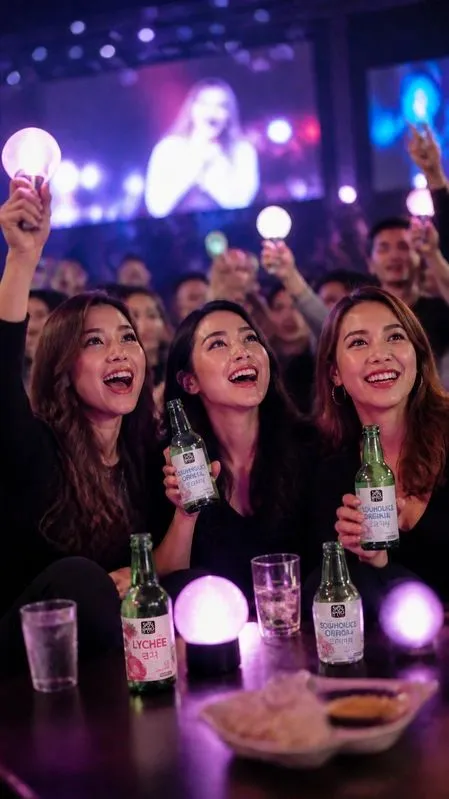
Why Gen Z keeps reaching for the green bottle
IWSR identifies Gen Z as soju's early adopters in the US, and the reasons line up neatly with how younger drinkers already live. They over-index on social media and online shopping, and they explore by flavor first and brand second.
Strength matters too. Table strength soju typically sits between 16% and 25% ABV, well below vodka, so a bottle can stretch across a long night of shared pours rather than a few hard shots.
And the rituals are built for content. The bottle tornado. The soju bomb dropped into a glass of beer. Pouring for others before yourself, and using both hands when pouring for someone senior. These customs carry real meaning in Korea. They also happen to look fantastic in a 15-second video. A drink that comes with a ceremony gives a group something to do together, which is exactly what this generation wants from a night out.
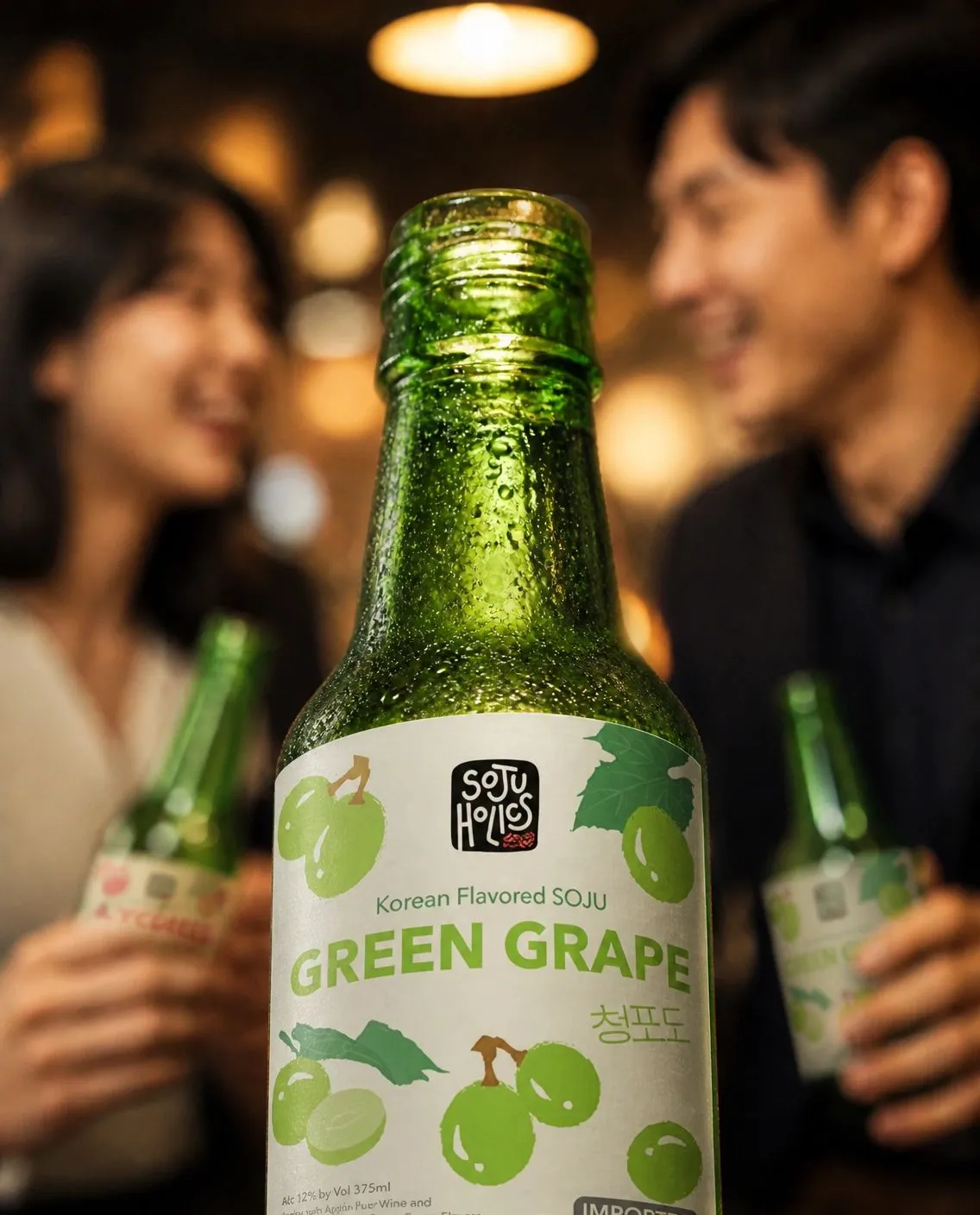
Enter Sojuholics
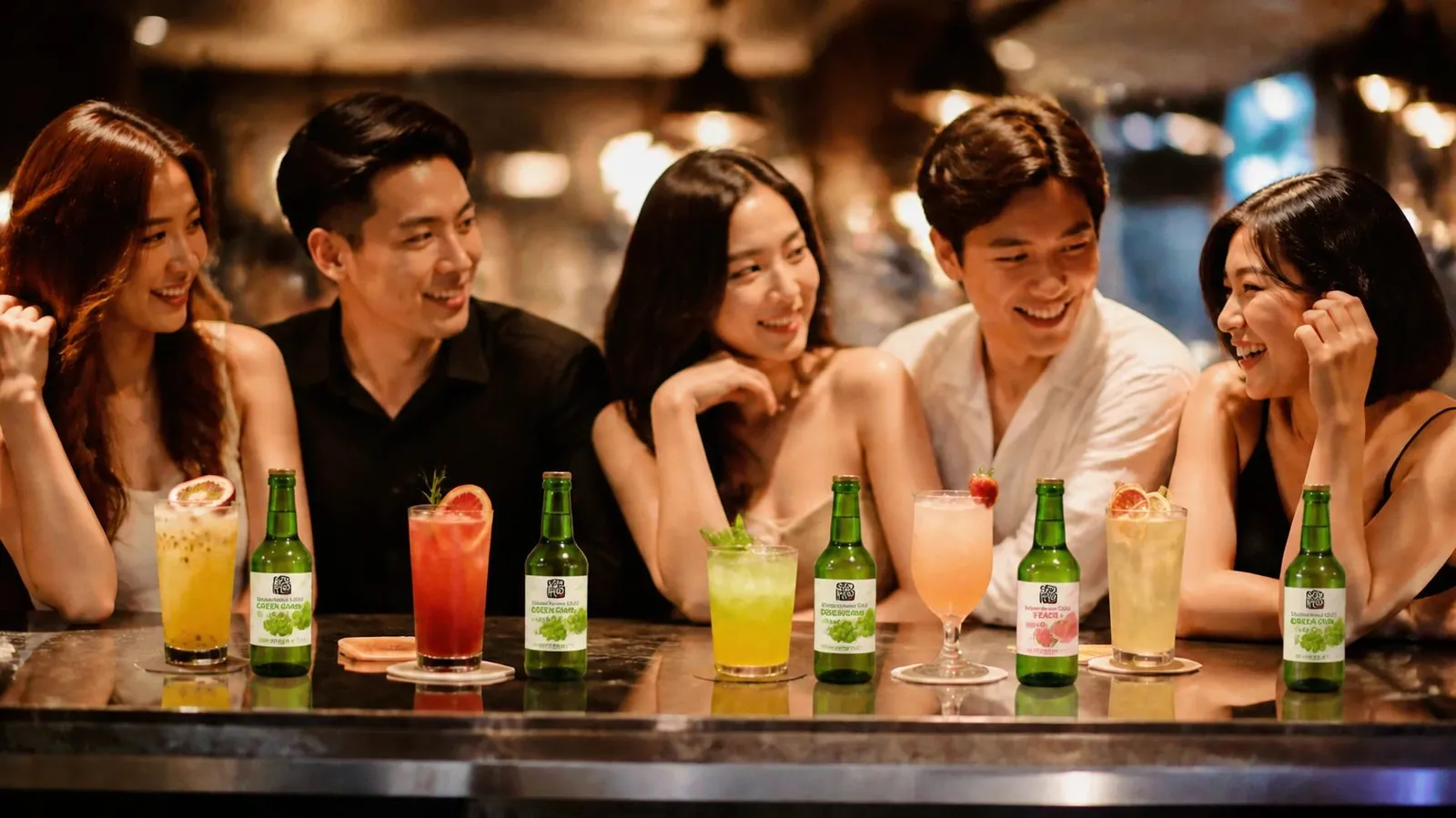
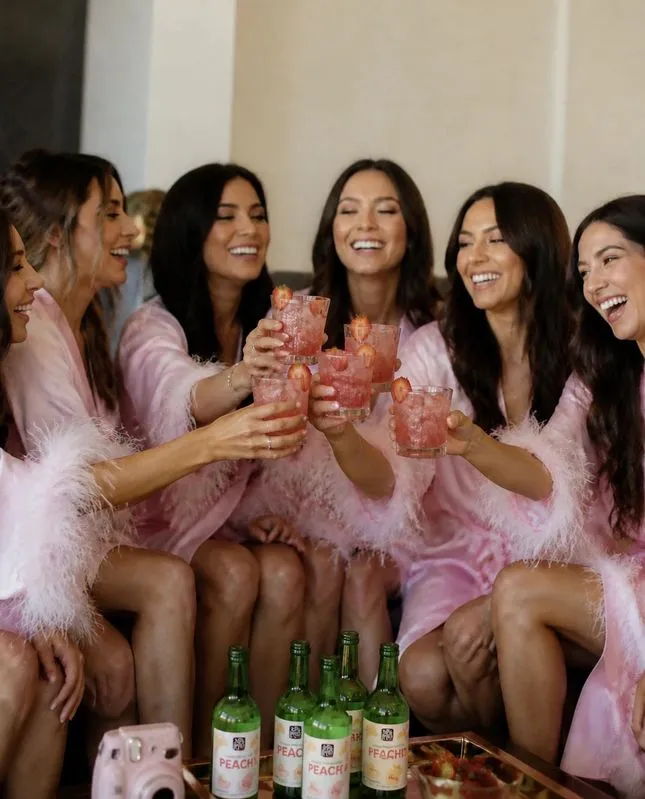
This is the landscape an Anaheim, California brand called Sojuholics has stepped into. Its lineup reads like a map of where American taste is heading. There is Peach, Strawberry, and Green Grape, the same flavors IWSR says are anchoring the category. There is Lychee, floral and a little exotic. There is Yogurt, a flavor several Korean majors also bottle for the US market. And for purists, there is an Original.
The details are where Sojuholics gets interesting. Every flavored bottle is 375 ml at 12% ABV, according to the brand, gentler than much of the table strength category, while the Original sits at 16%. For drinkers who want flavor without the heavy hit, that is a smart place to plant a flag.
The bottles are already traveling. Sojuholics flavors are listed at retailers including Keg N Bottle, where six-packs run $19.99, and Don Quijote in Hawaii. In Las Vegas, look for them at Lee's Discount Liquor, where a 375 ml bottle of Sojuholics Peach is listed for $2.99. At that price, trying one of each is an easy dare.
How to drink it like you know what you are doing
· Never pour your own. Fill everyone else's glass first, and let someone return the favor.
· Two hands for elders. Use both hands when pouring for someone senior to you, a sign of respect.
· Spin the tornado. Swirl the bottle before opening, then flick the cap.
· Try a soju bomb. Drop a shot into a glass of beer, Korea's answer to the Boilermaker.
· Start with a fruit you already love. That is how most Americans walk in the door, according to IWSR.
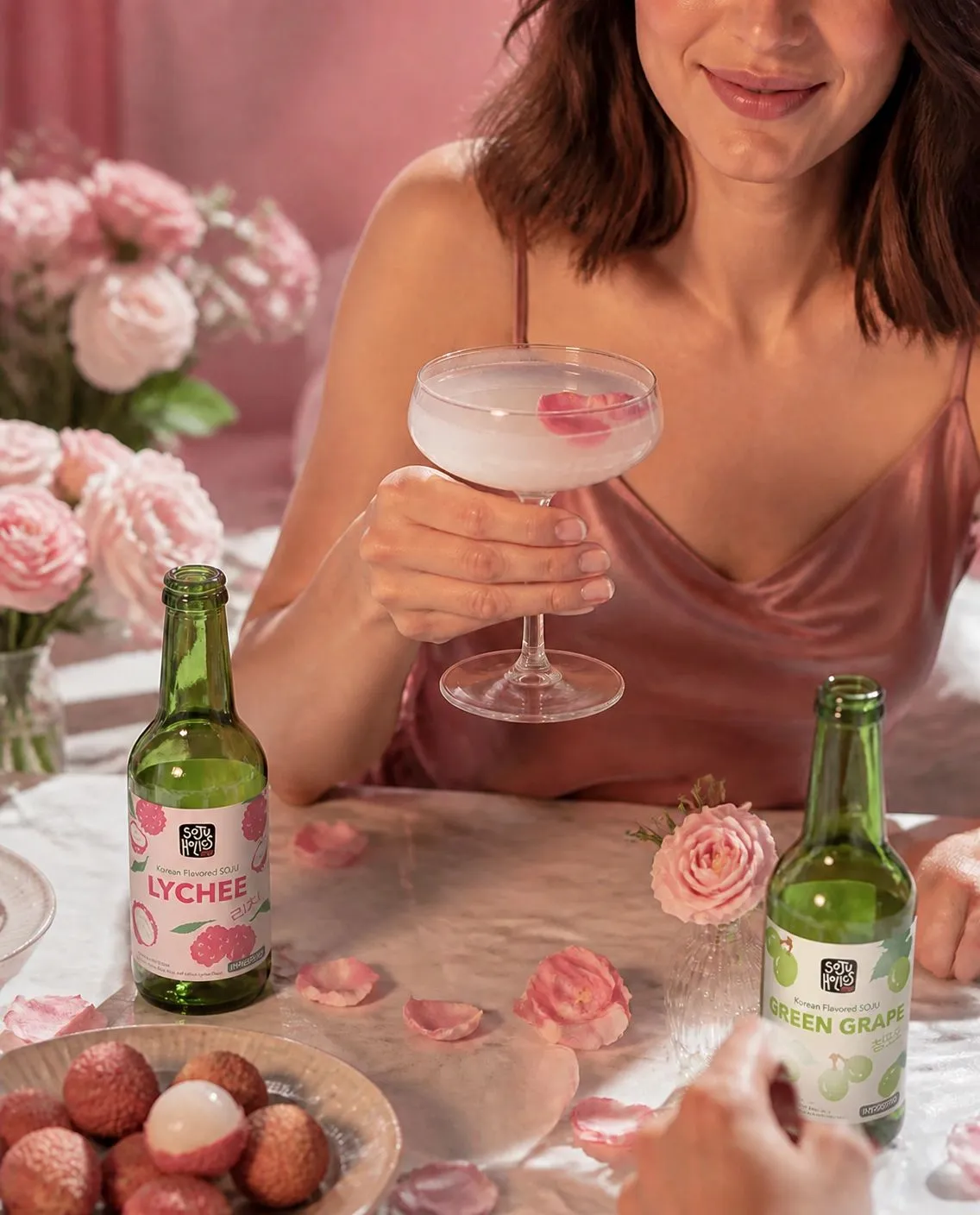
Mix it: the Sojuholics Peach Fizz
A LUXE original built on Sojuholics Peach. At 12% ABV, the soju keeps this tall, bright and easy to sip.
You'll need
· 3 oz Sojuholics Peach, well chilled
· 1/2 oz fresh lemon juice
· 3 oz chilled sparkling water
· Ice
· Fresh peach slice and a mint sprig, to garnish
Make it
-
Fill a highball glass with ice.
-
Add the lemon juice, then the Sojuholics Peach.
-
Top with sparkling water and stir once, gently, to keep the bubbles.
-
Garnish with the peach slice and mint.
Make it a pitcher:multiply by six, mix the lemon and soju ahead, and add the sparkling water at the table. Then pour for everyone else first.
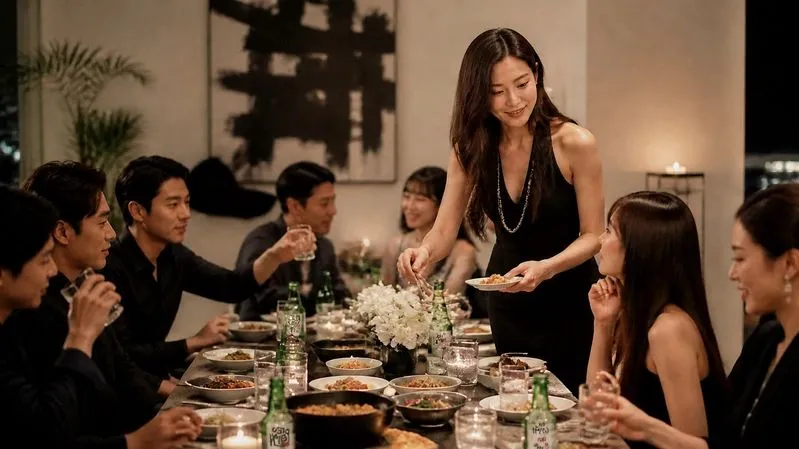
The last pour
Soju is still a small player on American shelves. By every measure the trade watches, it's one of the few spirits moving up while the rest of the aisle moves down. Whether you are a K-drama devotee, a Korean barbecue regular, a host hunting for the next party trick, or simply someone who wants a lighter drink that tastes like ripe peach, the green bottle has a seat for you at the table.
Just remember to pour for your friends first.